The third batch is not a general robot subsidy
China has opened the third 2026 application batch for its intelligent-manufacturing systems and robotics major science-and-technology projects. A current Wuhan municipal notice sets the online application window from August 28 at 10:00 through September 30 at 16:00 China Standard Time, with local industry-and-information authorities responsible for recommending applicants. That is an application call, not an award, equipment purchase, factory installation or evidence that any system is operating.[2]
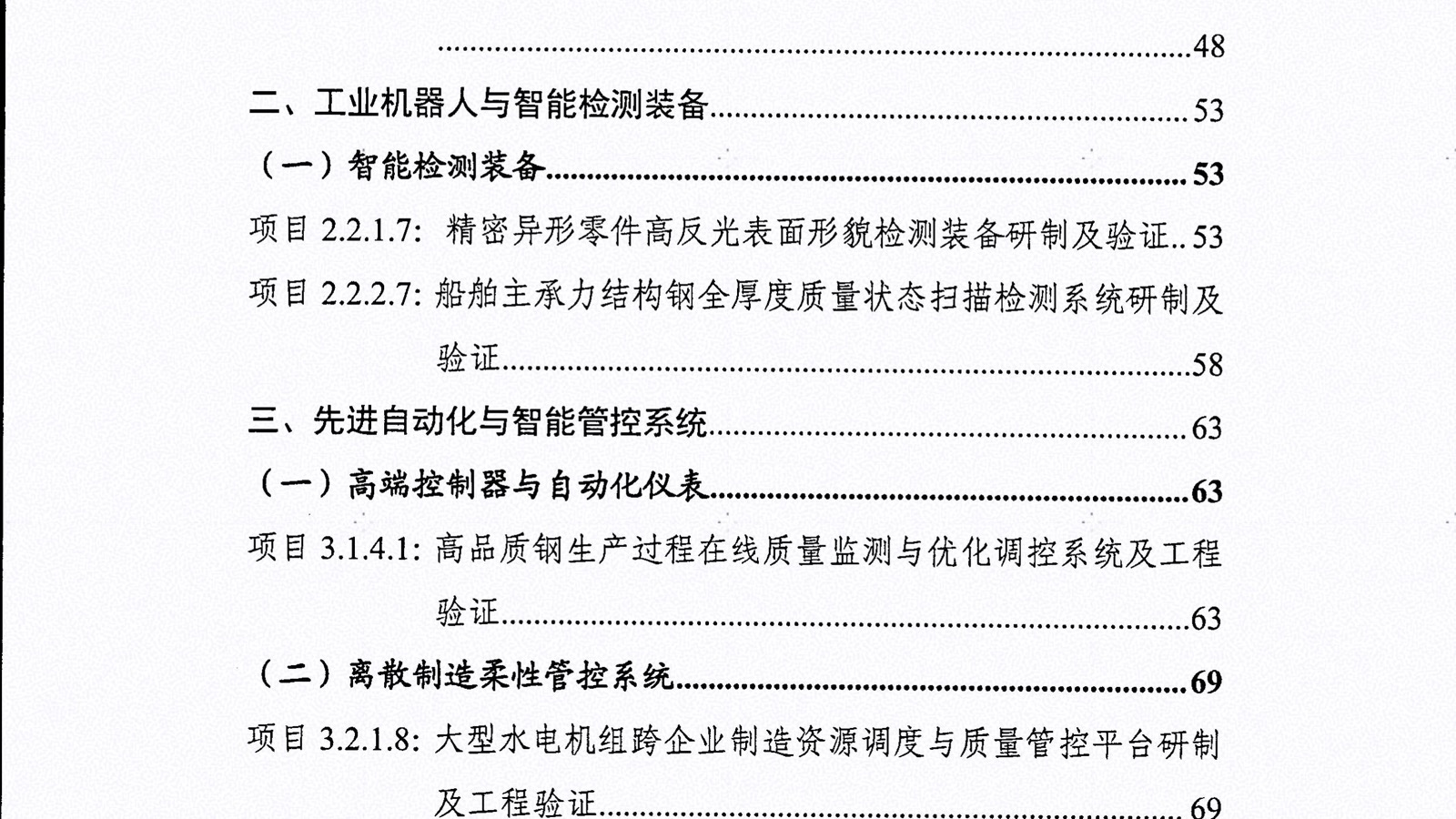
The operative guide narrows what the robot label means in this round. Its Industrial Robots and Intelligent Inspection Equipment section lists two projects: equipment for inspecting the high-reflectance surfaces of irregular precision parts, and a system for scanning the full-thickness quality state of load-bearing ship structures. The first targets industrial cameras, laser-triangulation sensors, precision motion platforms and inspection software for uses including aircraft doors, optical mirrors and precision instrument parts. It is a targeted industrial-measurement programme, not a broad incentive to buy humanoids or automate a general factory workflow.[1]
Central money is the minority share
For the precision-parts inspection project, the guide proposes support for one competitively selected project and requires funds from local government, applicants or other channels to be at least 3.25 times the central fiscal contribution. It describes the state contribution as an advance subsidy, but does not disclose a central funding ceiling. The programme therefore establishes an eligibility and financing structure; it does not establish a budget allocation, a recipient or a purchase order.[1]
The ratio changes the economics of the call. For every 100 Chinese yuan of central support, a consortium must commit at least 325 Chinese yuan from other sources, producing a minimum 425-Chinese-yuan project pool. The central share is therefore no more than about 23.5 percent before any additional spending. That makes balance-sheet capacity and access to local or industrial co-funding part of the gate, rather than leaving the state to finance most of the development risk.[1]
The guide also sets a delivery test
The guide runs the first project from November 2026 to October 2029. It calls for the lead applicant to be an inspection-equipment maker or user working with domestic universities or research institutes. By October 2029, it expects technical readiness level 8 or above, a finalized product design, small-batch production, at least three months of operation in real conditions, and deployment in named manufacturing settings. Those are future targets in a funding guide, not evidence that the equipment already meets them.[1]
The administrative screen is also restrictive. Nanjing's official implementation notice says applicants must be independently registered before January 1, 2025; a corporate lead must have registered capital at least equal to the central funds it requests; and the same project may use only one recommendation channel. These conditions can shape which suppliers, manufacturers and research groups can form a bid, but they do not reveal which will qualify or how much public money will reach the inspection-equipment supply chain.[3]
What would turn the call into a market result
The ordinary reading is that China has announced fresh support for robotics. The more useful conclusion is narrower: this batch creates a co-funded competition for two inspection-system missions and makes outside financing a hard condition for at least one of them. The strongest limit is that the records name neither a central funding amount nor a selected consortium, delivered machine, customer site or operating result. The next measurable checkpoints are the recommended-project list, the central award decision, disclosed matching commitments and later evidence that a funded system reached its stated manufacturing environment.[1,2,3]