What happened
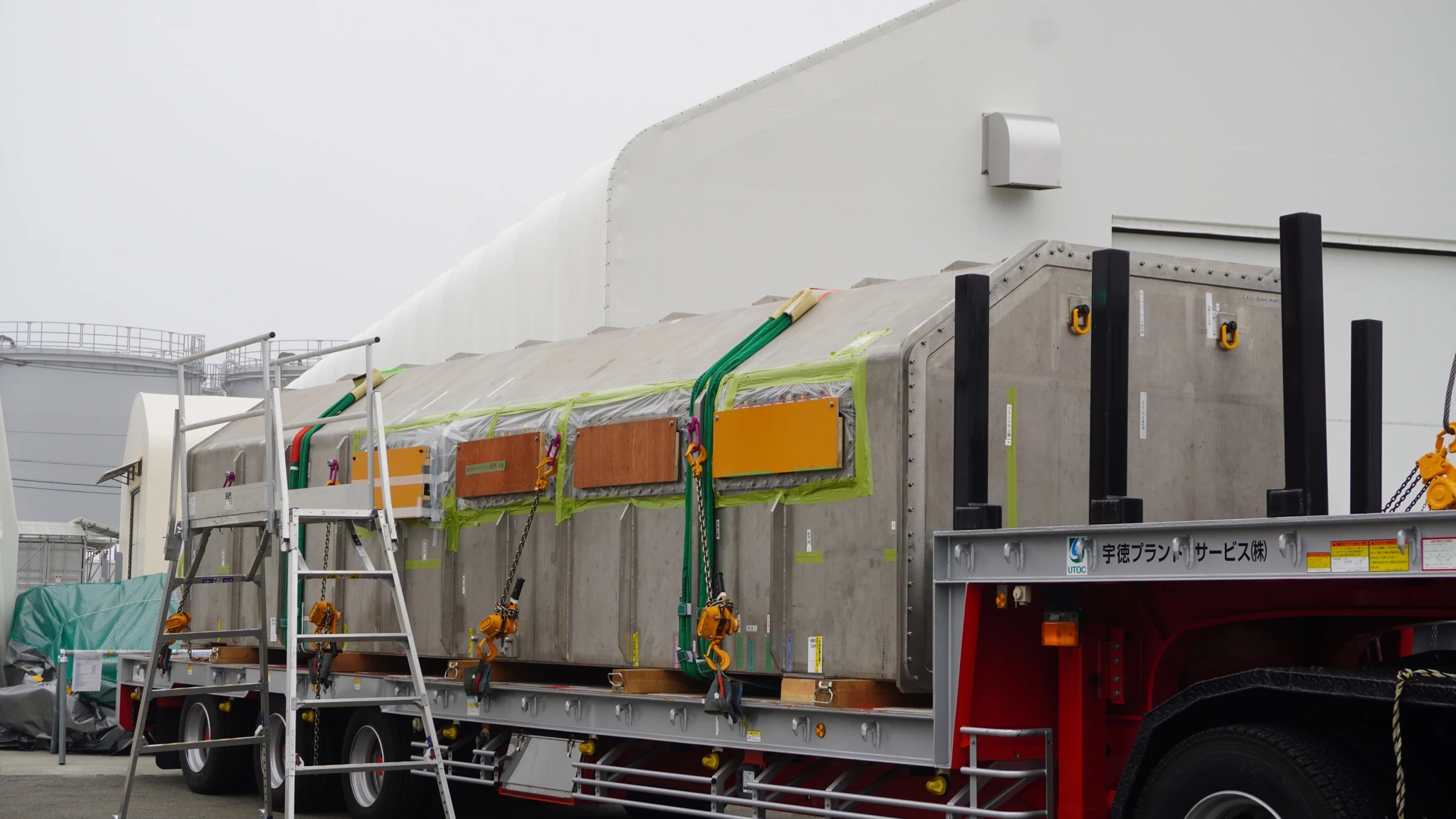
TEPCO began replacing a drive motor on Aug. 26 after a position-holding mechanism on the robot arm could not be released during operational checks for Fukushima Daiichi Unit 2. The 22-meter arm is intended for a third trial retrieval of fuel debris; after the replacement, TEPCO will run another operation check.[1,2,3]
The check happened before the arm entered the primary containment vessel. NTV reported that the issue was found during a July in-building check, while Fukushima TV reported that workers would replace the part in the vestibule before the containment vessel and manage radiation exposure. TEPCO has not announced a completed repair or a new retrieval start date.[1,2,3]
What the evidence shows
TEPCO’s July engineering record narrows the failure boundary: the third-axis drive motor’s brake, which holds the arm’s posture, did not release; electrical checks of the control system and cables found no problem. The record says the motor must be replaced and that the timing of the containment-vessel investigation and debris retrieval remains under review.[1,2,3]
That makes this more than a schedule slip. The remote system’s safety case depends on a serviceable joint before entry, a way to detect deterioration, and a way to recover a malfunctioning arm to its enclosure. TEPCO’s plan includes monitoring motor current and retrieving the arm for inspection when trends warrant it; those controls are documented, but they are not proof that this repair will pass.[1,2]
The next checkpoint is operational evidence, not a promise: a post-replacement test and an updated start schedule. The public record does not yet identify a confirmed root cause, show the arm working after the swap, or establish a broader reliability rate. Until those records appear, the maintenance gate is the measurable limit on the third retrieval attempt.[1,2,3]