The U.S. House passed H.R. 8800, the FY2027 National Defense Authorization Act, by 216-212 on July 22. The reported bill text includes Section 163, which would bar the Defense Department from procuring, leasing or otherwise obtaining a covered humanoid robotic system produced, developed or controlled by a foreign adversary after enactment. The vote advances a procurement boundary; it does not show a fielded Pentagon humanoid program.[1,2,3]
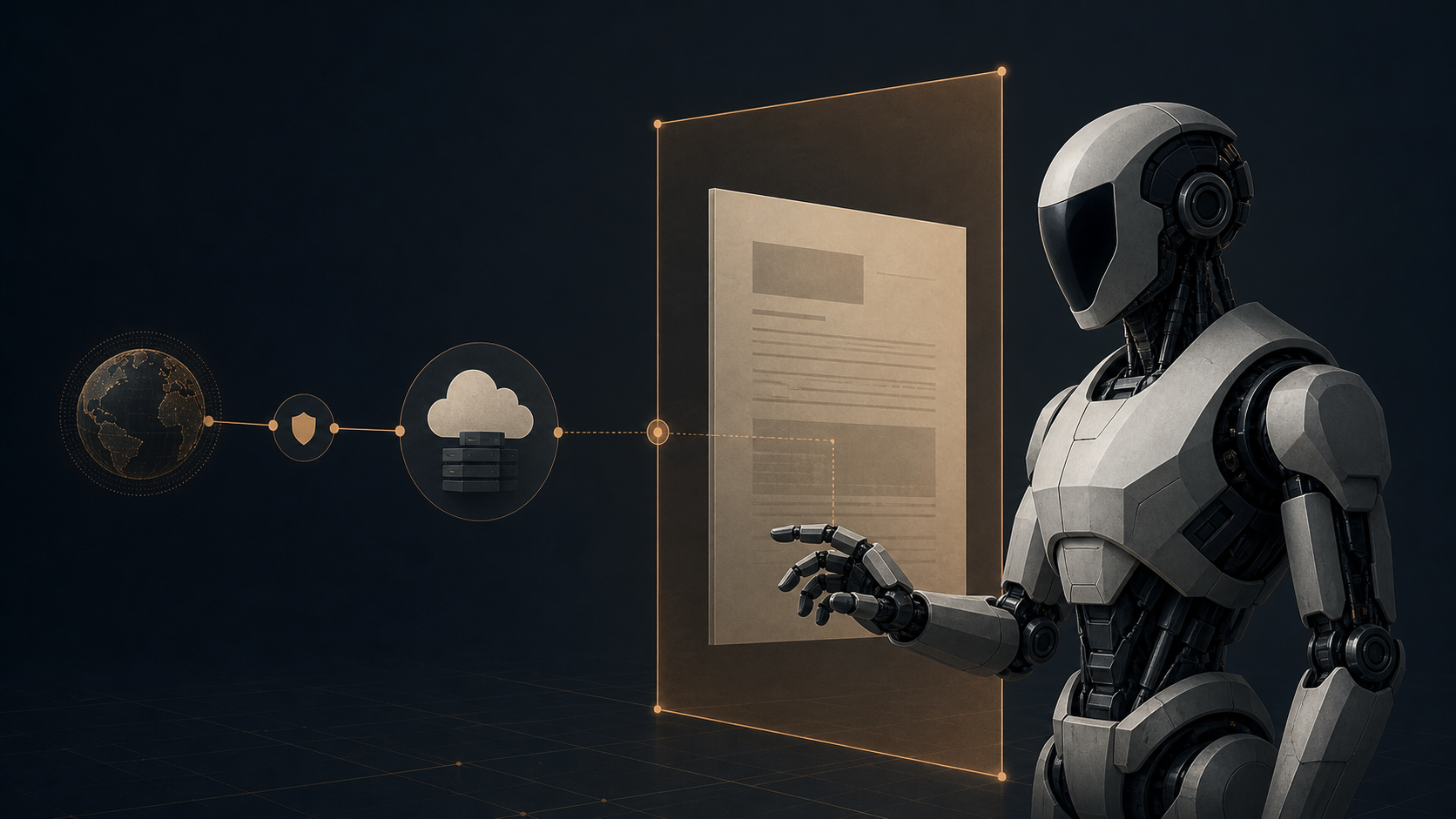
Section 163 reaches beyond a robot’s shell. Its restrictions cover adversary-controlled firmware, software, AI models, remote updates, cloud services, remote access, maintenance or data transmission. The definition targets commercially available, general-purpose humanoids with dexterous upper limbs, autonomous or semi-autonomous AI/ML and network connectivity. Permanently installed industrial robots, networkless systems and assistive medical devices are excluded, while isolated testing and research can receive a narrow waiver.[2]
Decision delta: the debate has been mostly about whether humanoids might become useful military platforms and whether supply chains could create strategic exposure. The new evidence is a House-passed acquisition constraint that would make foreign control of software, cloud and update pathways a disqualifier for covered systems. That shifts the near-term question from battlefield performance to vendor eligibility, architecture and auditability. It could change which suppliers qualify, but the opened records identify no contract, named vendor, unit or operating result.[1,2,3,4]
Navy Times reports that the bill still has to move through the Senate and a House-Senate compromise before reaching the White House. If enacted, the text directs the Defense Department to issue implementation rules within 180 days. National Defense Magazine’s prior reporting describes military humanoid applications as early and experimental, with ruggedization, communications, safety and procurement gaps still open. The next checkpoint is enactment, followed by guidance and any first covered acquisition.[2,3,4]