What happened
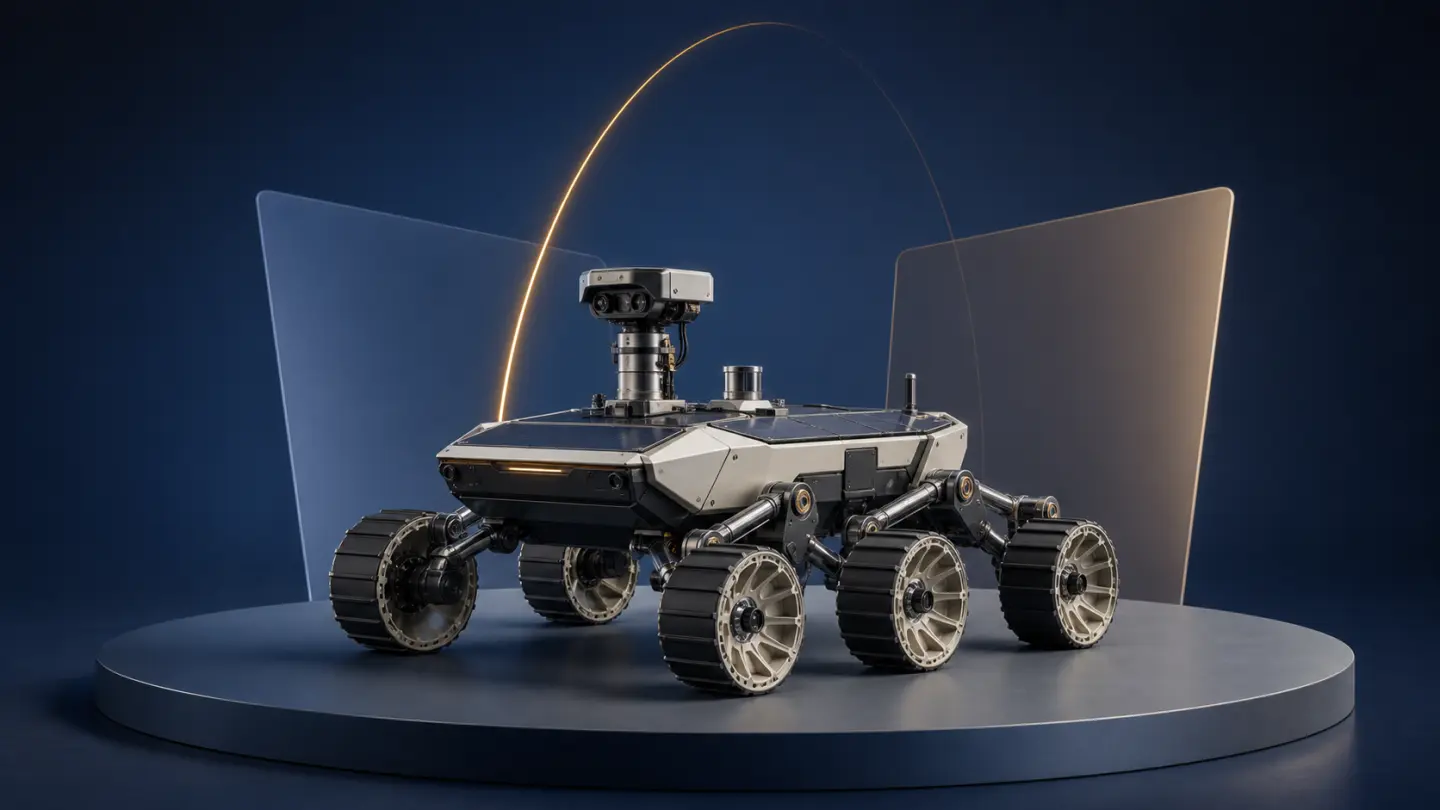
On July 24, the European Space Agency awarded Luxembourg-based ispace-EUROPE Phase 2 of MAGPIE, the Mission for Advanced Geophysics and Polar Ice Exploration. The 65 million euro agreement covers the remaining rover and payload development, manufacturing, testing, transport to the lunar surface and surface operations. ispace-EUROPE says it will act as mission prime.[1,3,4]
Phase 2 follows the subsidiary's Design Prototype Review, an engineering gate before full mission development. ispace says the phase began July 1 and points next to the Structural Thermal Model Manufacturing Readiness Review. MAGPIE is targeted to fly on ispace's Mission 4 lander in 2029, so the award is a funded multi-year delivery program rather than evidence of a completed mission or operating rover.[1,3,4]
The financial read
ispace's own full-year result puts the award in a more demanding financial frame. At March 31, the Tokyo-listed parent reported 29.690 billion yen in cash and deposits, 29.443 billion yen in interest-bearing debt—borrowings that accrue interest—and an 8.152 billion yen net loss for the year ended March 2026. The result says cash rose after bank borrowing and a capital increase.[2]
Subtracting disclosed interest-bearing debt from cash leaves 247 million yen before other liabilities, future spending and cash flows. This is not a forecast of the group's liquidity; it is a reminder that a 65 million euro contract cannot be treated as today's profit, cash receipt or margin improvement merely because it has funded the project's remaining scope.[1,2]
What remains unproven
None of the public disclosures reviewed gives a payment schedule, revenue-recognition policy, gross margin, tax treatment, delivery penalties, capacity plan or contractual allocation between the European subsidiary and other ispace entities. European Spaceflight also reported that ESA had not explained a difference between MAGPIE's original cost target and this Phase 2 value; that is an unanswered context point, not proof of an overrun.[1,3]
The useful change is therefore operational: ispace-EUROPE has moved from review into an ESA-funded delivery obligation. The next measurable test is progress through manufacturing readiness and then the planned 2029 mission; disclosed payment milestones, revenue treatment and delivery risk would determine whether the contract changes the parent company's financial position sooner.[1,3,4]