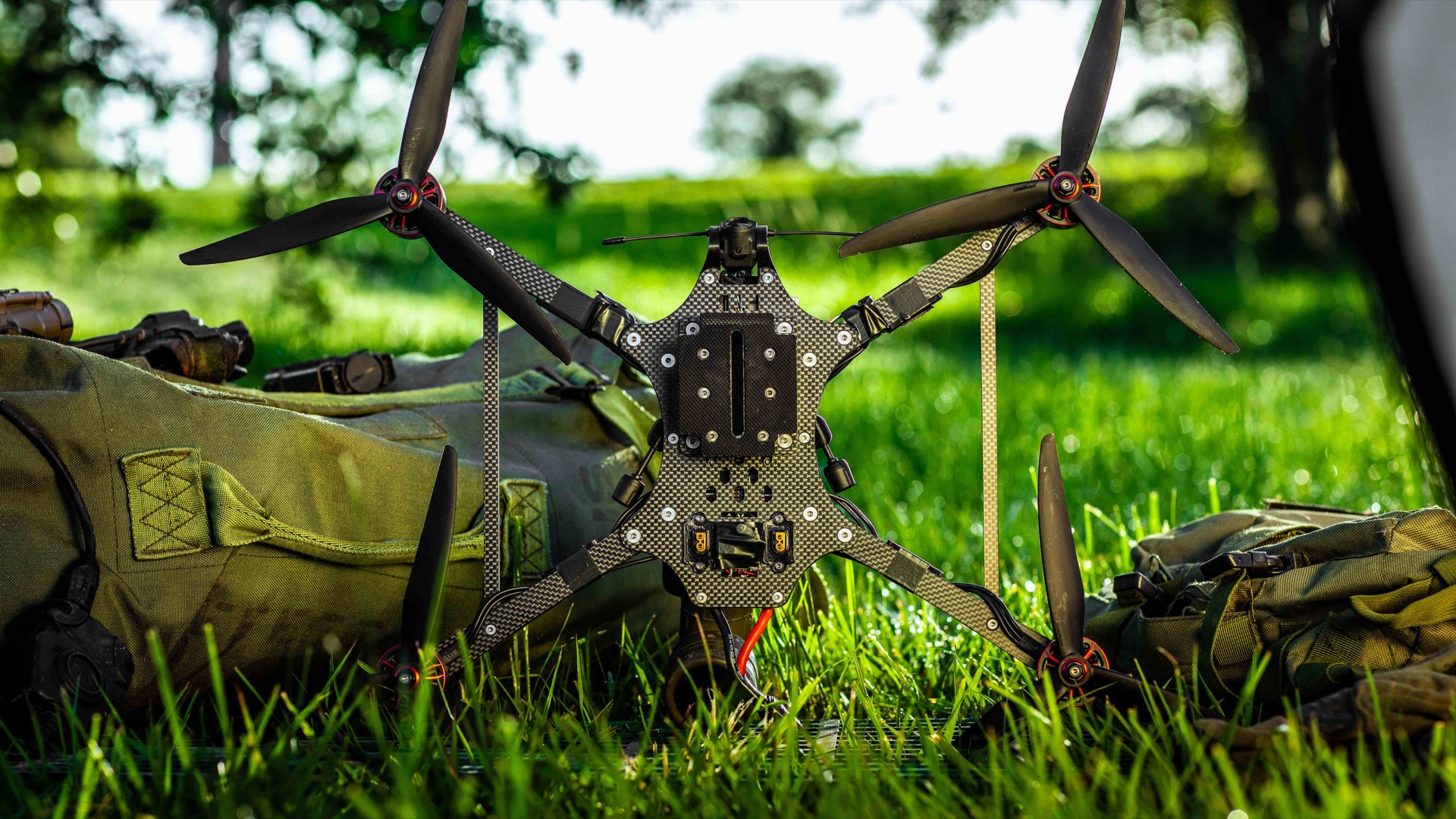
The contract is disclosed; the site is not
Powerus and Aureus Greenway Holdings said on August 21 that Powerus had executed a commercial contract valued, according to the companies, at approximately $22.3 million. The announced scope is a networked counter-drone system for critical oil and gas infrastructure in the Middle East, covering detection, tracking, classification, early warning, site activation, installation and 24 months of integrated maintenance. Unmanned Airspace independently described the same capability, while Reuters reported that the customer and deployment sites were not identified.[1,2,3]
The operating boundary is important. Powerus says the initial deployment will give operators a unified view of potential unmanned-aircraft threats through command-and-control capabilities at the customer’s operations center. It also says the architecture can later support its Guardian interceptor technology. The public record does not name the contracting customer, the facilities, the countries involved, the number of sites, the system configuration, an acceptance milestone or any measured detection result. This is a commercial contract signal, not proof of a live interceptor network or autonomous threat response.[1,2,3]
The release also makes the value less final than the headline number suggests: it flags customer options, milestone payments, termination rights, export approvals, delivery, installation and acceptance risks. A related SEC filing identifies Powerus as the subject company in Aureus Greenway’s proposed transaction, while the August 21 release says that merger has not closed. The next measurable checkpoint is therefore site installation or acceptance evidence, followed by a named customer or disclosed operating result—not another assertion of market demand.[1,4]