What happened
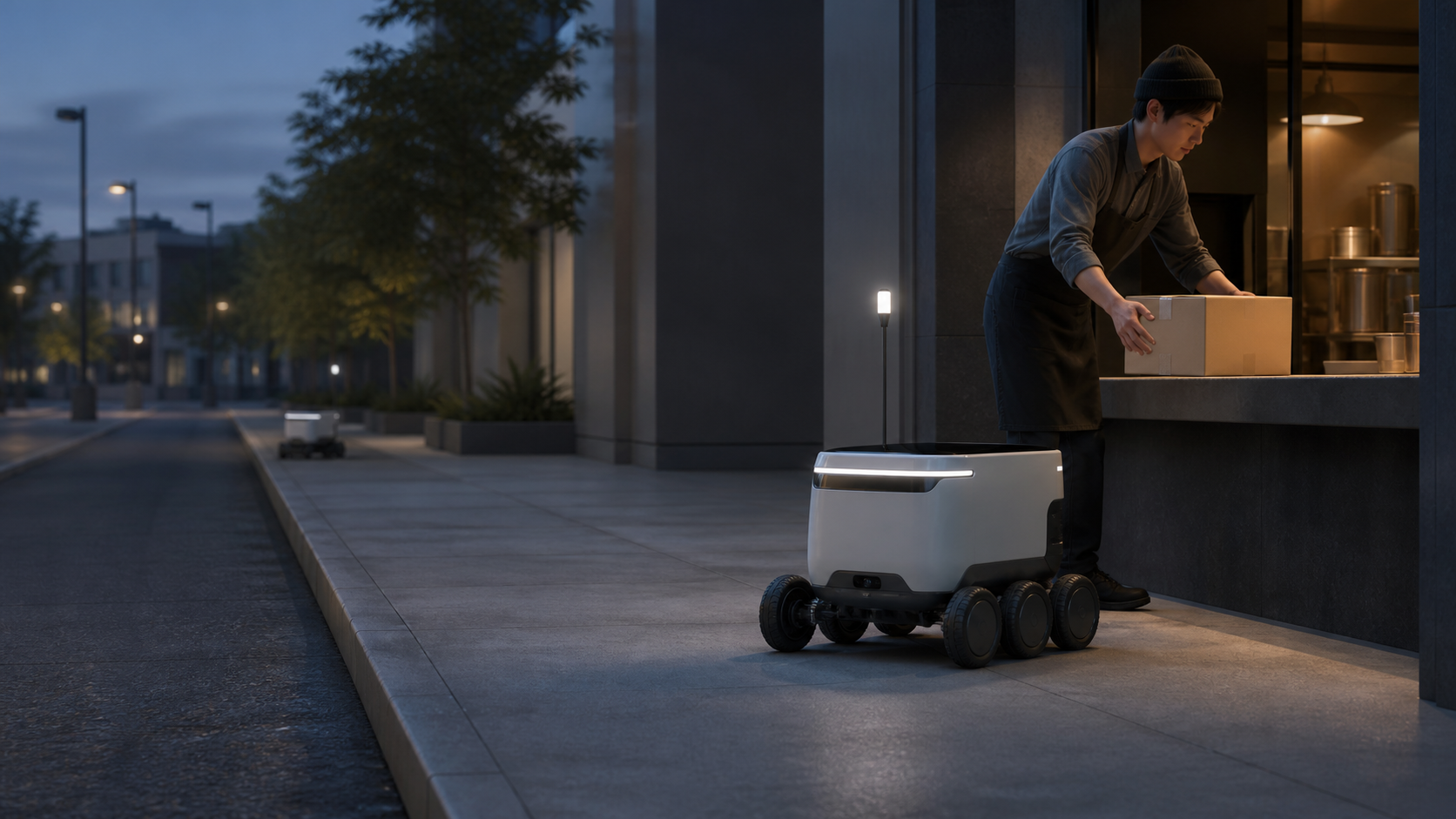
Serve Robotics' second-quarter filing shows a commercial constraint behind the company's 2026 reset: average daily active robots fell to 792 from 812 in the first quarter. Serve has deployed more than 2,000 robots across the United States, while its daily-active metric includes both outdoor and indoor robots after the Diligent acquisition. Quarterly revenue reached 3.238 million dollars, up from 2.984 million dollars in the first quarter, but the operating base was not converting into the volume Serve had expected.[1,3]
Serve cut full-year 2026 revenue guidance to 9 million dollars to 10 million dollars from 26 million dollars, citing lower-than-expected delivery volume through Uber Eats and removing projected second-half demand. Its filing also reports 9,809 daily supply hours, down from 10,295 in the first quarter, while the company ended June with 240.4 million dollars in cash and marketable securities.[1,3]
What the evidence shows
MarketBeat's report and conference-call transcript identify the mechanism more specifically: after 17 consecutive quarters of Uber delivery-volume growth, the second quarter reversed because of lower robot utilization and disagreement over fleet coordination and merchant integration. Serve said it does not currently expect to renew the Uber agreement when it expires in early 2027 unless that operating model improves; discussions remain open. DoorDash revenue grew nearly 50 percent sequentially and hospital contracts expanded, so this is not proof that every use case is failing.[2,3]
The decision delta is narrower and more useful: a large operating fleet does not equal a large usable market when the partner's dispatch, merchant and fleet systems do not align. The next test is whether Serve's planned August 17 marketplace, market-launch, merchant-integration and autonomy updates lift active-robot and delivery-volume metrics. Until then, the guidance cut is evidence of an integration and utilization bottleneck, not a verdict on sidewalk or hospital robotics.[1,2,3]