The legal gate moved
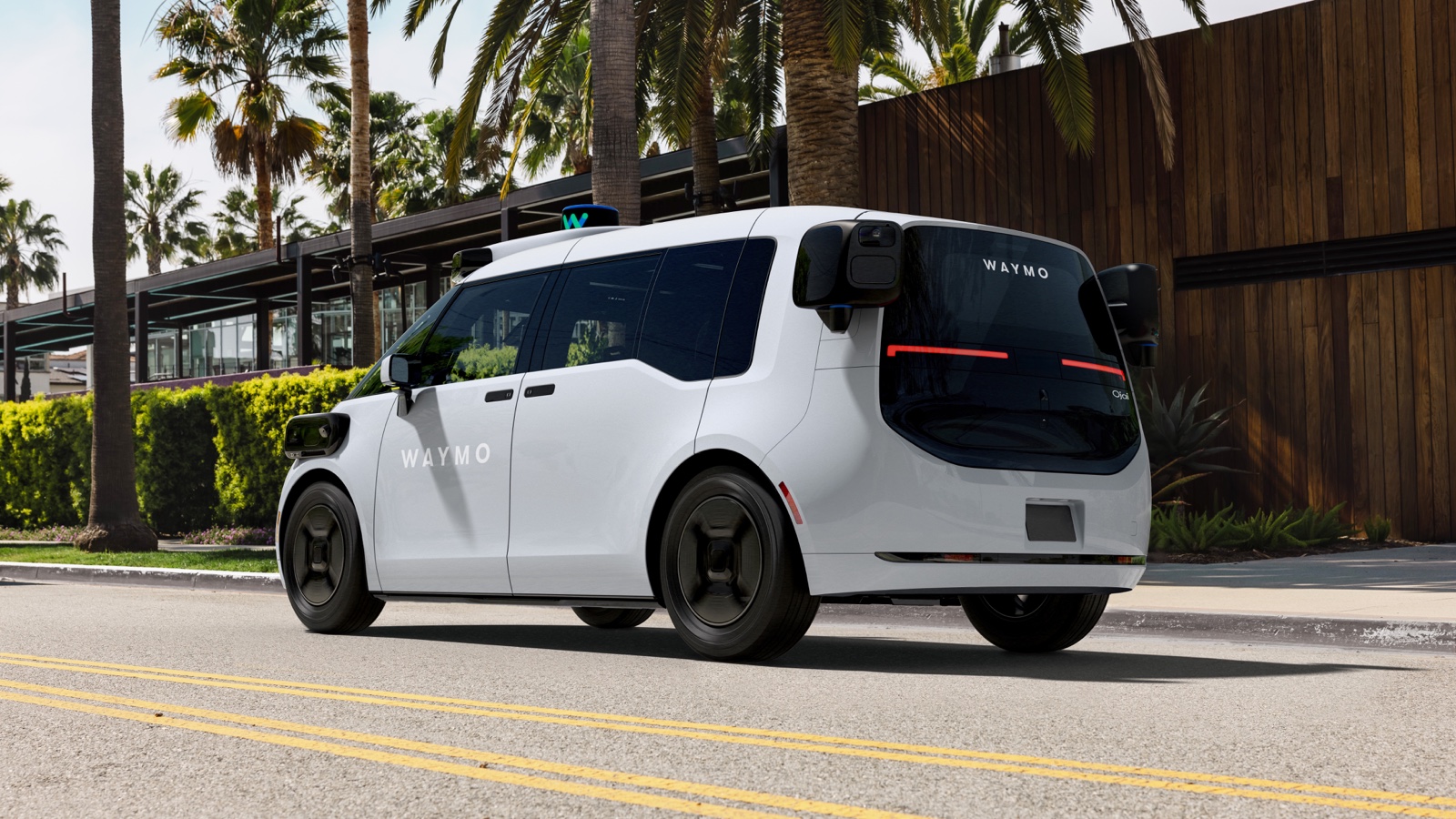
California's Public Utilities Commission approved Waymo Advice Letters 0004 and 0004-A on August 14, authorizing expansion of the company's fared driverless passenger service into additional portions of Northern and Southern California and allowing use of the Ojai vehicle platform. The disposition says Waymo may begin those operations in the specified areas effective that day. This is a material regulatory change: the state agency responsible for paid autonomous passenger service has cleared the revised Passenger Safety Plan tied to territory that the Department of Motor Vehicles had already approved.[1,2]
The authorization is broad, but it is not a public launch schedule. California's DMV page lists approved cities across the Bay Area, Los Angeles, Orange County, Sacramento, San Diego and other parts of the state, and says the November 2025 amendment added the Zeekr model that Waymo markets as Ojai. The CPUC order does not say which of those cities will receive public service first, how large the deployed fleet will be, whether rides are available immediately, or what utilization Waymo expects. Legal ability and operating reality are now separate questions.[1,2]
Why the distinction matters
Sacramento shows the information gap. Waymo said in February that it would begin manually driving Jaguar I-PACE vehicles there and welcome public riders later. The city's autonomous-vehicle page still says passenger service is not authorized and that Waymo must first receive CPUC permission to carry passengers and charge fares. That statement was accurate before August 14 but is now behind the regulator's disposition. The mismatch does not prove that Sacramento rides are live; it shows that authorization can change before local public information and a company's customer-facing service map catch up.[1,3,4]
The approval also exposes where the policy fight sits. San Diego's transit agency and its Taxicab Advisory Committee protested the expansion, raising street and trolley disruption, taxi-industry effects, jobs and the absence of local control. The CPUC record says those objections did not challenge the completeness of Waymo's safety-plan filing and treated the broader policy arguments as outside the permitted scope of this advice-letter review. Approval therefore does not resolve the transit, labor or local-governance questions on their merits. It establishes that Waymo met the statewide passenger-service requirements applied in this proceeding.[1]
The safety-plan delta
CPUC staff did not approve the original filing without further work. The commission asked Waymo for additional detail on preventing unaccompanied minors from riding and on protecting passengers during major operational disruptions. Waymo's supplement described age requirements for California account holders, in-vehicle detection and intervention, incident-response teams, operational mitigations and rider communications. Staff found the added information responsive and approved the plan. The order documents procedures, not performance: it does not publish response-time data, disruption outcomes or evidence showing how often those safeguards have been used successfully in the expanded territory.[1]
Permission is not operating proof
That boundary matters commercially. A statewide permission can increase Waymo's option value without producing revenue in every approved market. The company must still position vehicles, establish local support coverage, open service areas to customers and sustain enough completed trips to justify the operating cost. None of the opened records provides pricing, daily paid-trip volume, vehicle utilization, intervention rates or contribution margin for the new territory. Those missing measures are not defects in the permit; they are the evidence investors, cities, competitors and riders need before treating regulatory reach as deployed scale.[1,2,4]
What proves a launch
The next evidence should come from operations rather than permits. A named city opening to public riders, an updated in-app service boundary, the first documented fared rides, active Ojai vehicles, fleet scale and service reliability would turn this authorization into a measurable deployment. Until those appear, the defensible conclusion is narrow: Waymo has cleared California's passenger-service gate for a much larger approved footprint and a new platform, but the company still controls the cadence. The permit expands what Waymo may do. It does not prove what Waymo is already doing today.[1,2,3,4]