What changed
Waymo began welcoming its first public riders in Denver, San Diego and Tampa on September 1, according to its announcement. The move takes its fully autonomous trips to 14 cities, but the access policy matters: Waymo says it will add riders steadily while it works toward opening each service to everyone. This is a live public-service start, not evidence that the three markets are already broadly available.[1]
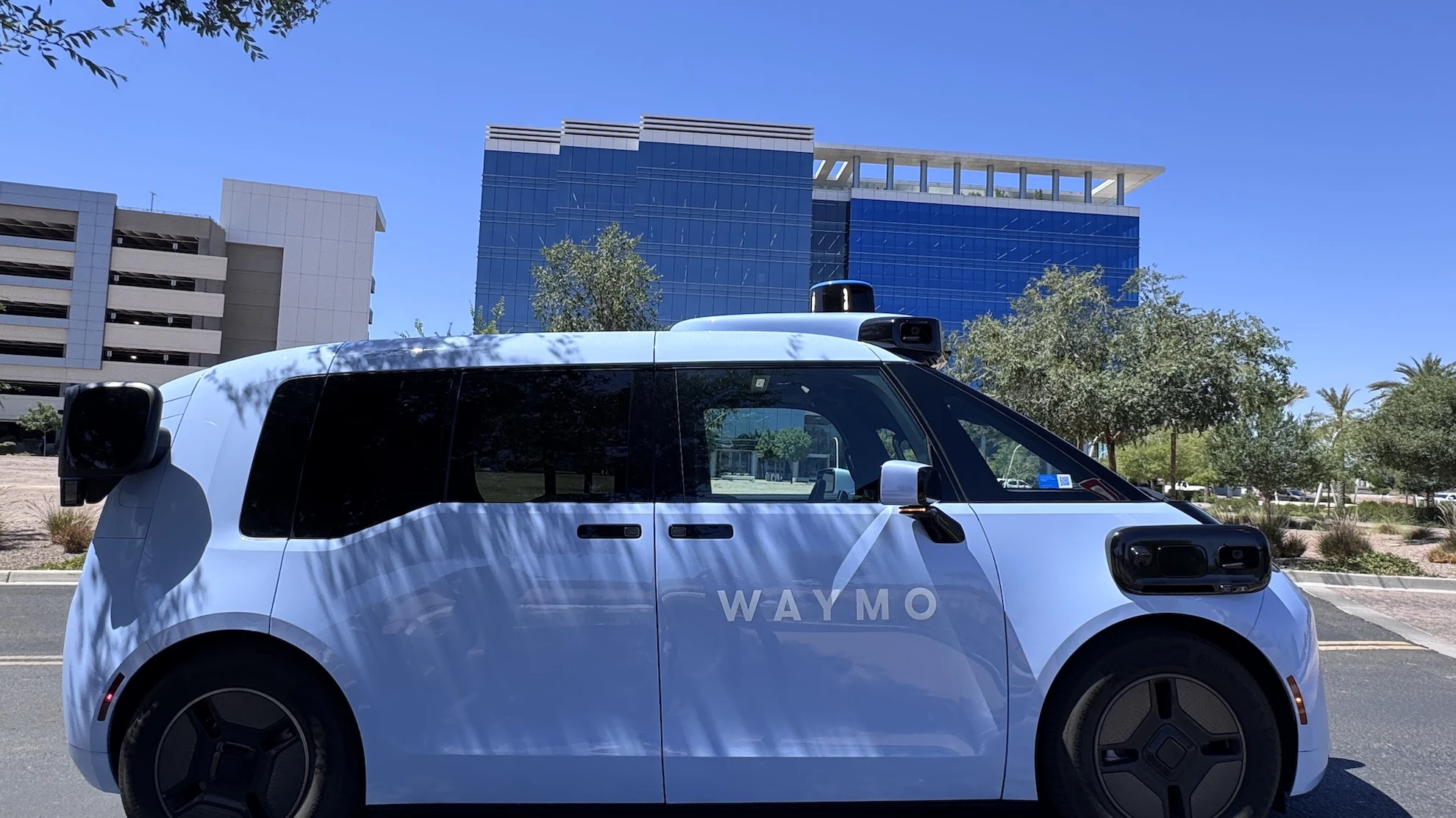
TechCrunch reports that the expansion extends Waymo's commercial operations to 14 U.S. cities and that the company is inviting riders on a rolling basis while it slowly ramps access. The article also identifies a launch constraint: the Zeekr-made Ojai is the only autonomous vehicle available to riders in Denver and San Diego for now. The deployment therefore has a named vehicle boundary as well as a geographic one.[2]
The operating boundary
Axios's Denver account puts the initial territory at about 60 square miles and says dozens of vehicles will serve it. It also says Waymo has not disclosed how many people will be admitted initially. Invitations are being issued through a waitlist, with expansion beyond the initial footprint, including Denver International Airport, described as a later step. The public service exists, but the supply of rides is being metered.[3]
The important change is the move from local-street validation and invited testing into a rider-facing service state. Waymo says it prepared by validating performance on local streets and working with first responders and officials. TechCrunch describes the broader sequence as mapping and testing, removing the human safety operator, inviting selected riders, then opening to public riders. The September 1 step crosses an availability boundary, but it does not by itself establish steady-state service quality or scale.[1,2]
What the launch proves
For deployment operators, this is evidence of market entry, not evidence of steady-state performance. The reopened sources do not disclose completed trips, service uptime, intervention rate, cancellations, price, fleet assigned to each city or utilization. Waymo's statement that tens of thousands in each city signed up measures demand interest, not rides completed. Those missing denominators are the difference between opening access and demonstrating a repeatable transport operation.[1,2,3]
The lack of an initial access count is the key operational gap. With a bounded territory and rolling invitations, an operator can enter a city without exposing the fleet scale required to serve a large share of demand. That makes service-area expansion and rider eligibility observable milestones, while trip completion, intervention and recovery records remain private. The launch is real; the operating denominator is not yet public.[1,3]
The next checkpoint
The next meaningful update is not another launch graphic. It is a market-level operating record: completed trips, active vehicles, service hours, cancellations, remote or on-site interventions, and the time needed to recover from a blocked route or rider issue. A broader service area or open access would show reach. A stable trip and recovery record would show whether the reach can be operated. Until those measures appear, the defensible headline is three markets opened to first public riders, not broad autonomous taxi availability.[1,2,3]