What changed
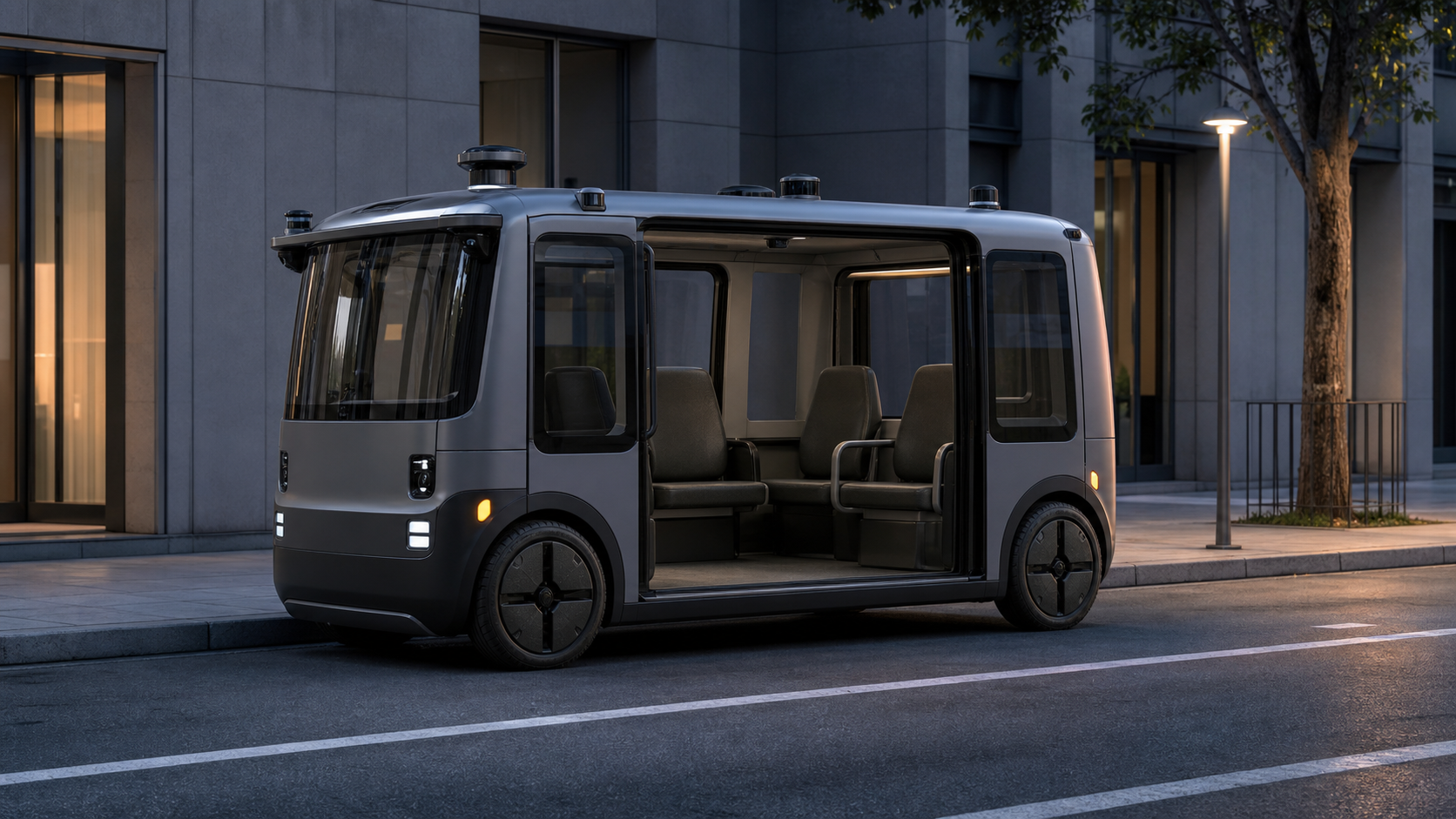
The Associated Press reported Thursday that federal regulators approved Amazon-owned Zoox to begin charging customers for rides in its purpose-built robotaxi, a boxy vehicle with four inward-facing seats and no steering wheel. The approval still requires state and local authorization. Zoox has been offering free rides in Las Vegas and San Francisco, so the decision changes the vehicle's federal access position without proving that a paid trip has started.[1]
AP reported that the exemption allows up to 2,500 of the wheel-free vehicles to operate over the next two years. That is a regulatory ceiling, not a fleet count, production result or customer-demand measure. The immediate commercial checkpoint is a state or local authorization followed by a publicly documented billed ride.[1]
The gate, not the ride
The decision closes the gap identified by TechCrunch in June, when Zoox was still waiting for NHTSA to decide whether its vehicle could offer paid rides. It also fits NHTSA's June rulemaking proposal, which would remove manual brake controls for vehicles designed never to be driven by a person while preserving stopping-distance requirements and separate defect-enforcement authority.[2,3]
The decision delta is therefore narrower than a commercial-launch headline: Zoox has moved from federal uncertainty to federal permission, while local permits, first-responder procedures, rider operations, safety performance and repeatable paid utilization remain unproven. The next measurable test is not another prototype reveal; it is a billed ride under a named local authorization and the operating evidence that follows.[1,2,3]