The safety argument is becoming an operating artifact
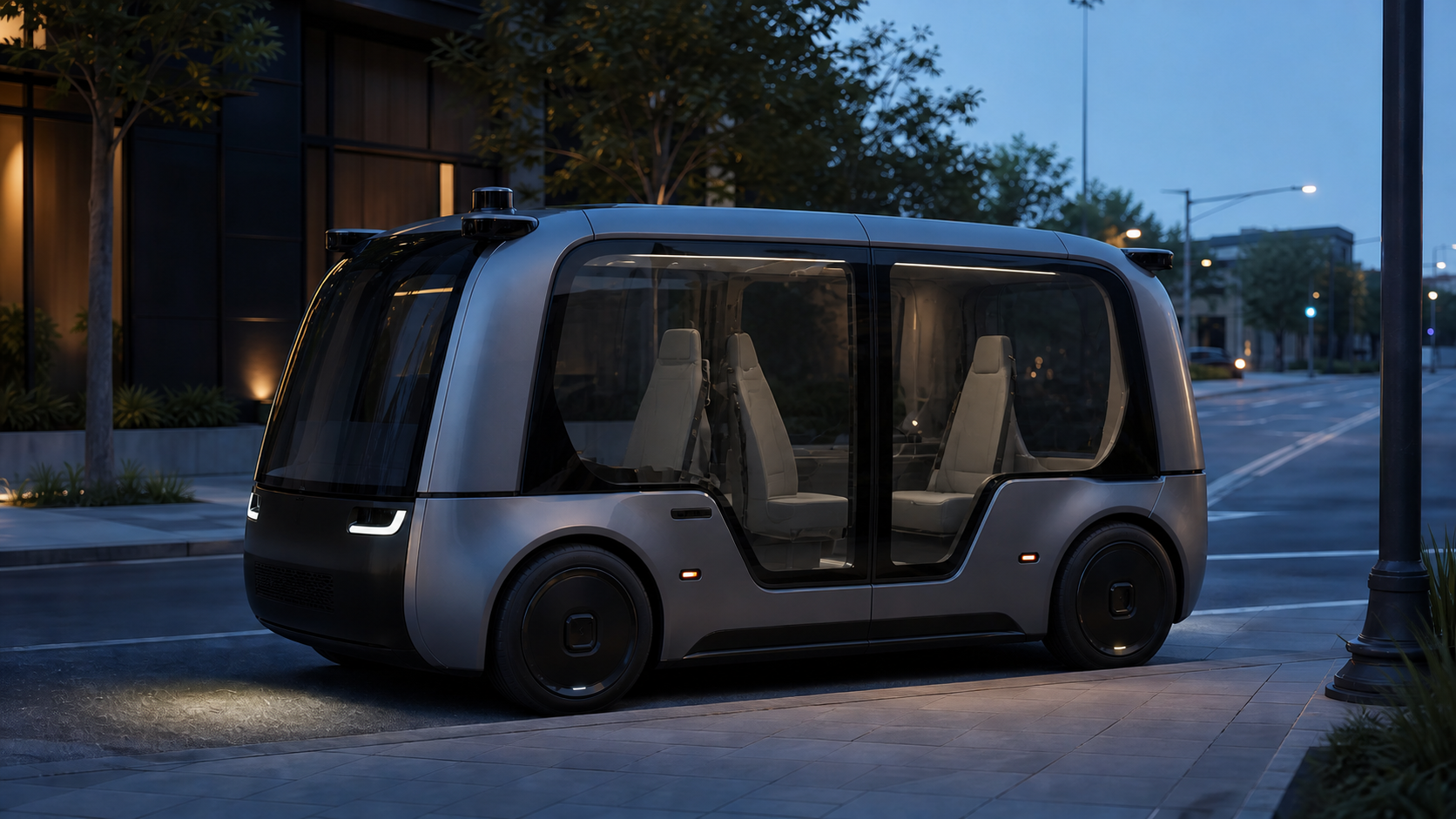
Zoox has published a safety-case framework as it begins charging for rides in Las Vegas with a purpose-built robotaxi that has no steering wheel or pedals. The document is important less as a declaration that the vehicle is safe than as a public description of how the company says it reaches that decision: identify hazards, test failure modes, measure risk, and decide whether a software or vehicle change is safe to deploy.[1,2,4]
That timing changes the role of the safety case. Before a paid service, it is mainly an internal clearance instrument and a regulator-facing argument. Once customers, road users and first responders share the operating environment, it becomes an operating artifact that outsiders can challenge against incidents, service boundaries, remote interventions and later changes. The framework gives those parties something more specific to inspect than a general promise of safe autonomy, but it does not make the underlying assumptions independently true.[1,2,4]
Zoox treats the whole control chain as the system
The company’s earlier operational-safety report describes a formal risk-management process for the driving software, robot platform and operational processes before vehicles enter public roads. It says safety clearance is tied to a defined operating envelope, thousands of component- and system-level requirements, and a residual-risk judgment. The same report identifies Mission Control, TeleGuidance and Rider Support as integrated remote-operations teams that monitor and assist vehicles and riders.[3]
This is the right systems boundary for a driverless service. A robotaxi can have capable perception and planning and still fail operationally if a stale map, blocked pickup, unusual road closure, rider emergency or first-responder interaction is not detected and handed to the right human team. Remote support is therefore not merely customer service. It is part of detection, recovery and evidence preservation. The safety question is not whether a human can intervene in every situation, but whether the division of labor is defined, observable and tested at the point where machine confidence ends.[3,5]
Three million miles is useful, not self-validating
Axios reports that Zoox says its robotaxis have accumulated 3 million miles of real-world driving data and that engineers compare field performance with analytical safety predictions. That comparison is a meaningful bridge between modelled risk and observed operation. It is not the same as an independently reproducible safety result: the public account does not expose the full event taxonomy, denominator choices, severity thresholds, intervention counts, exclusion rules or confidence bounds needed to compare the result cleanly with another operator.[1]
The recent smoke-scene recall shows why those details matter. In June, a Zoox vehicle encountered heavy smoke obscuring an emergency fire scene, braked hard and stopped; a teleoperator reversed it after responders placed cones. Zoox said it shipped a software update to its 105-vehicle fleet and was unaware of injuries. The event was corrected through a bounded software change, but it also shows that safety evidence must include edge conditions where the vehicle, public responders and remote operations interact under time pressure.[5,6,7]
The next test is external challenge, not another claim
The strongest reading of Zoox’s publication is procedural. The company is moving the safety argument from a private engineering process toward a record that regulators, researchers, insurers, riders and other operators can interrogate. NHTSA’s temporary exemption already limits the commercial fleet to 2,500 vehicles per year for two years and adds an adaptable oversight structure, while state-level requirements still govern additional markets. Paid operation raises the cost of an untested assumption because each assumption now sits inside a live service.[2,4]
The unresolved question is whether the published method can be independently stress-tested. The next decision-changing evidence would be a comparable audit or regulator review, public intervention and incident rates with defined denominators, documented performance across the declared operating envelope, and evidence that software updates preserve the safety argument after deployment. Until then, Zoox has made its work more inspectable. It has not converted a company-authored safety case into independent proof that the service is safe at scale.[1,2,3,4,5,6]