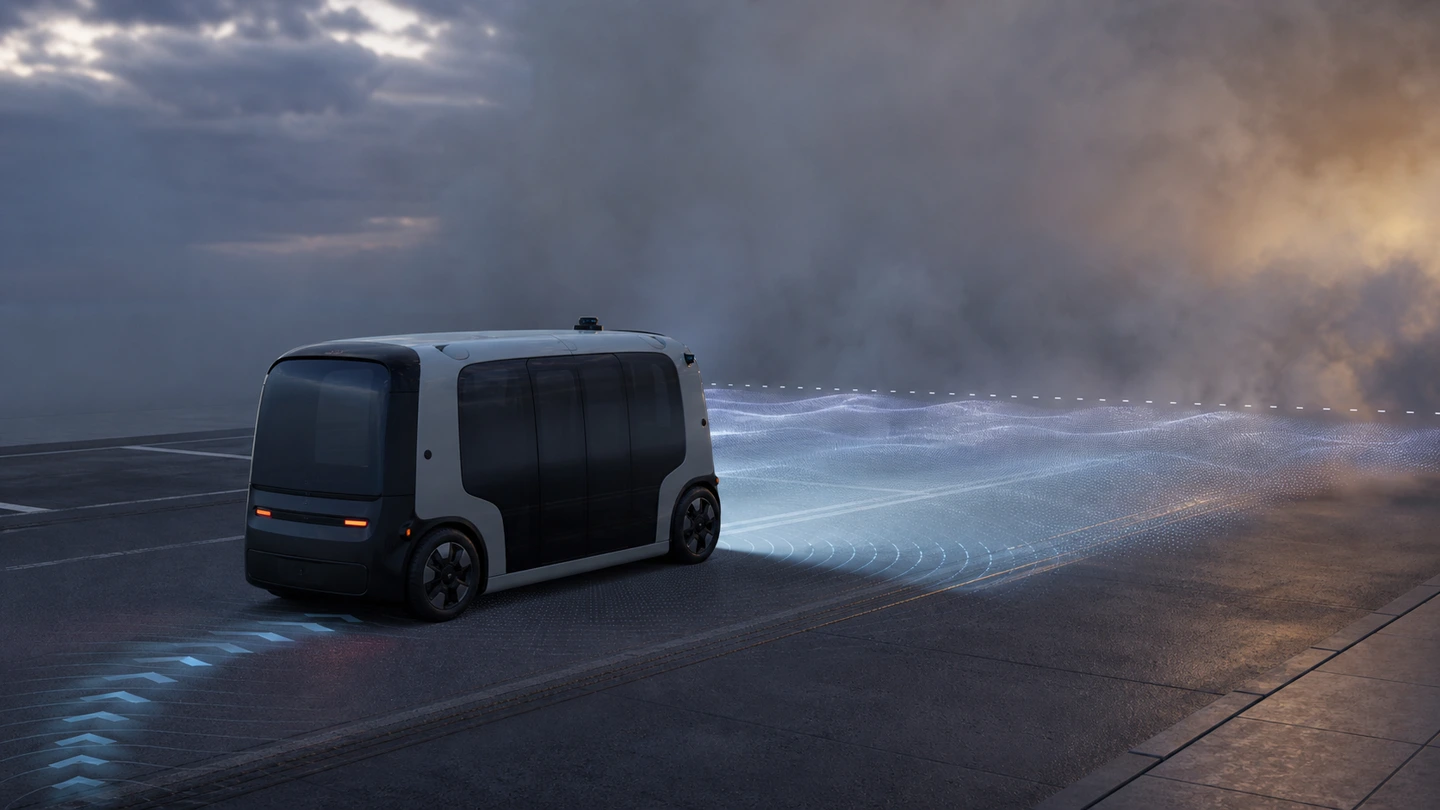
A general warning becomes a named defect
Zoox filed U.S. recall 26E044 for 105 public-road automated-driving-system installations because its software may not detect and respond to heavy smoke, particularly near active emergency scenes. The Part 573 report estimates that all 105 potentially involved units contain the defect. That narrows NHTSA's broader July warning about driverless vehicles interfering with first responders into a smoke-specific software boundary for one operating fleet.[1,2,3,7]
The filing traces the recall to June 20, when an unoccupied Zoox vehicle entered a smoke-obscured fire scene that had not been cordoned off with cones. It braked hard while steering away, stopped, then reversed under a teleguidance tactician's guidance. Zoox said its review found no injuries and no other event of this kind.[1,2,3]
The remedy still needs operating evidence
The mechanism matters beyond the incident count: reduced visibility can raise crash risk or impede first responders, and the vehicle reversed while under a teleguidance tactician's guidance after it stopped. Zoox said the update enhances its existing ability to detect and respond to heavy smoke. Fleet operations, road users, emergency crews, city agencies and autonomous-vehicle developers are exposed to whether that response works before a vehicle enters an active scene.[1,2,3]
The limit is one company-reported, no-injury event. The July 16 amended Part 573 report says Zoox released updated software on July 15 to all impacted vehicles in public-road operations, after an interim operating measure to avoid active fire scenes. TechCrunch and Dow Jones separately reported the rollout. That confirms manufacturer-reported deployment in the federal record, not remedy performance. None of the opened sources publishes an independent remedy test, smoke-scenario coverage, detection range, false-response rate or post-update field performance. The next measurable catalysts are NHTSA's planned end-July meetings with vehicle developers and any disclosed validation, recurrence or post-update field data.[1,4,5,6,7]