The recall
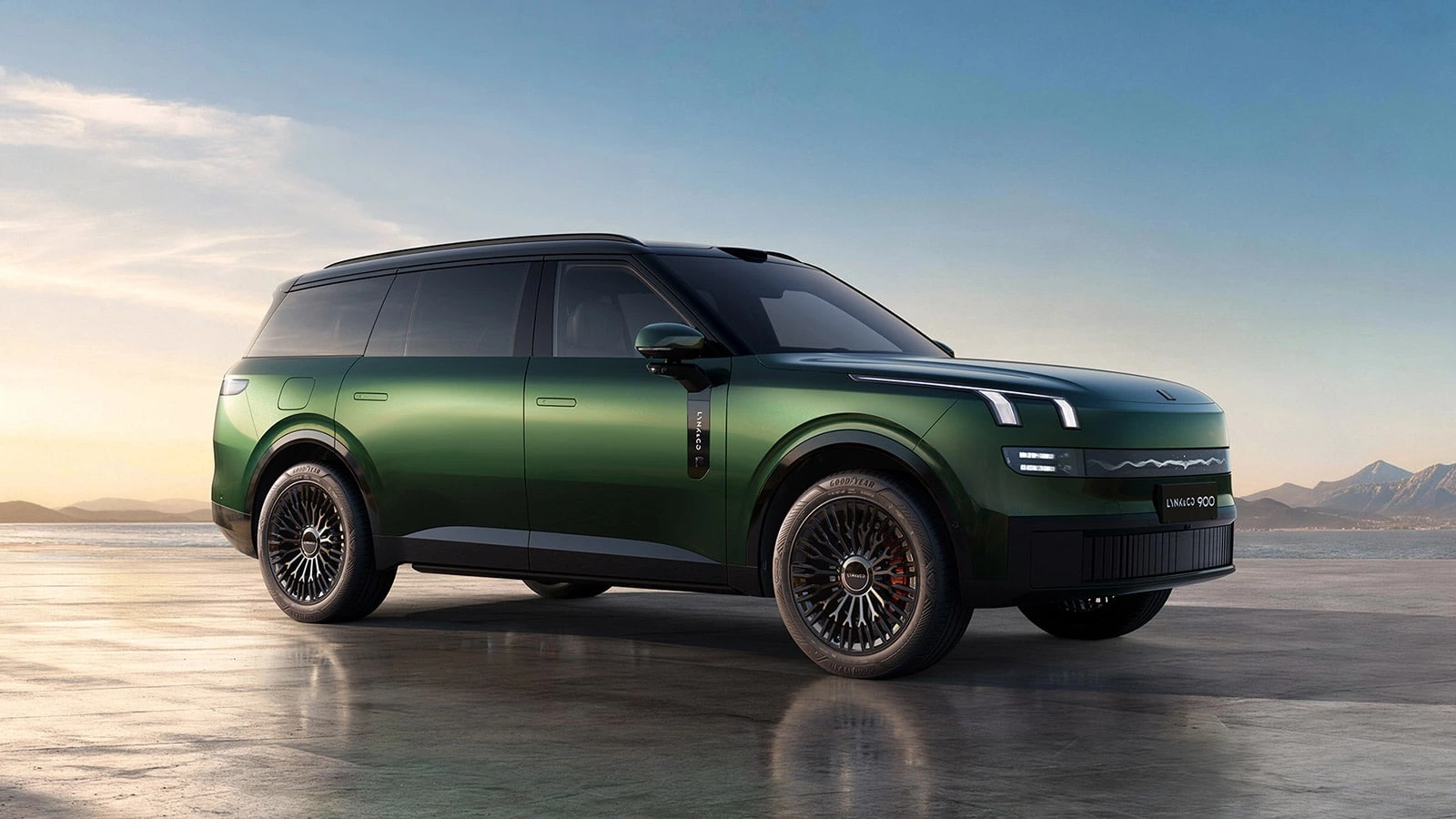
China’s State Administration for Market Regulation says Zhejiang Geely Automobile will recall 92,915 vehicles from Aug. 24: 18,878 Geely Galaxy M9s and 74,037 Lynk & Co 900, 10 EM-P, 07 and 08 vehicles. The regulator attributes both campaigns to supplier-process variation that may damage the power integrated circuit inside the LiDAR. On the M9, driver assistance may exit or fail to activate. On the Lynk & Co models, recognition, warning or handling of unusual objects may be inadequate after assistance is engaged.[1,2,3]
The remedy is physical replacement, not a software patch. Geely says its cloud platform will look for early diagnostic signals, flag vehicles that may be at risk and invite owners to dealers; vehicles that already received a replacement are excluded. Lynk & Co’s customer explanation, reported by IT Home, says an abnormal sensor should trigger dashboard and audio warnings plus a speed limit for assisted driving. It says ordinary driving remains available when navigation-assisted driving is not engaged.[1,3,4]
What the failure chain shows
The important boundary is between sensor failure and system response. The notice describes two different outcomes from the same component risk: a hard function exit on one vehicle group and a possible degradation in object handling on another. That makes the recall a traceability test across supplier manufacturing, vehicle diagnostics, user alerts, dealer replacement and driver fallback—not evidence that LiDAR itself is unsafe. The public record does not identify the supplier or disclose the field failure rate.[1,3,4]
The next measurable checkpoint is recall execution: how many vehicles are screened by cloud diagnostics, how many replacements are completed, and whether Geely reports any cases in which assistance stayed engaged while perception was impaired. Until those figures appear, the defect and remedy are documented, but the operating frequency and the effectiveness of the early-warning control remain unproven.[1,2,3]