NASA and the US Department of Energy signed a space-nuclear collaboration framework on 8 October. NASA says it takes effect on 1 November and spans fuel production, testing, launch integration and operations. The robotics question is how that coordination becomes delivered mission hardware.[1]
NASA identifies two robot missions in the announcement. Dragonfly, planned for a 2028 launch toward Titan, is to use an electrical generator and 24 lightweight radioisotope heater units. The agencies also plan 24 heater units for ESA’s Rosalind Franklin Mars rover.[1]
Those components perform different jobs. NASA explains that a radioisotope power system converts heat from natural radioactive decay into electricity. Heater units keep spacecraft components warm. A count of heaters therefore cannot be read as a robot’s electrical output, propulsion capacity or completed power-system installation.[3]
The European rover contribution has an earlier history. ESA’s 16 May 2024 agreement record already said NASA, working with the Energy Department, would supply lightweight heater units for Rosalind Franklin. It also described parallel European heater development. The October announcement renews the broader institutional framework around an existing mission commitment; it does not establish that this rover contribution began this week.[2]
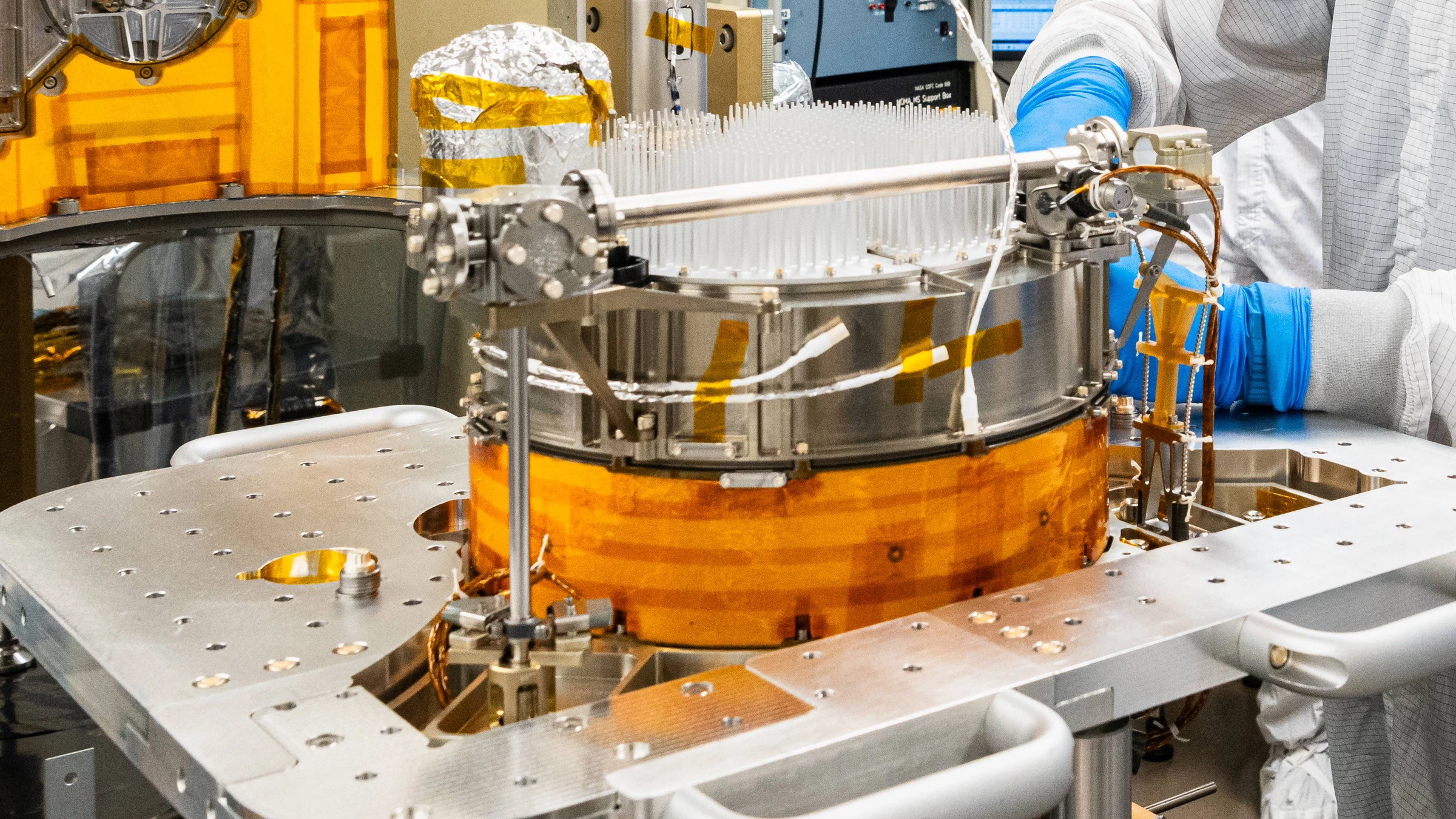
Dragonfly’s development record shows why hardware status matters. NASA reported in April that engineers were assembling its body and integrating the mounting plate and cover for its generator. The generator itself was to be installed just before launch. The photograph accompanying this article shows March assembly of sampling hardware, not delivery of a nuclear unit.[4]
Our reading is that the useful consequence lies in coordinating the supply and integration chain. Mission teams need heat, electricity and launch preparation to arrive together. For an outside reader, the next meaningful evidence would be dated acceptance of flight hardware, completed integration and test results tied to each mission. Those records would show progress beyond a signed framework and preserve the distinction between a component commitment and a working robot.[1,2,3,4]
NASA’s release supplies no funding amount for the agreement. Its mission dates remain plans. The announcement alone cannot support a new procurement award, a completed delivery or a guaranteed launch schedule.[1]