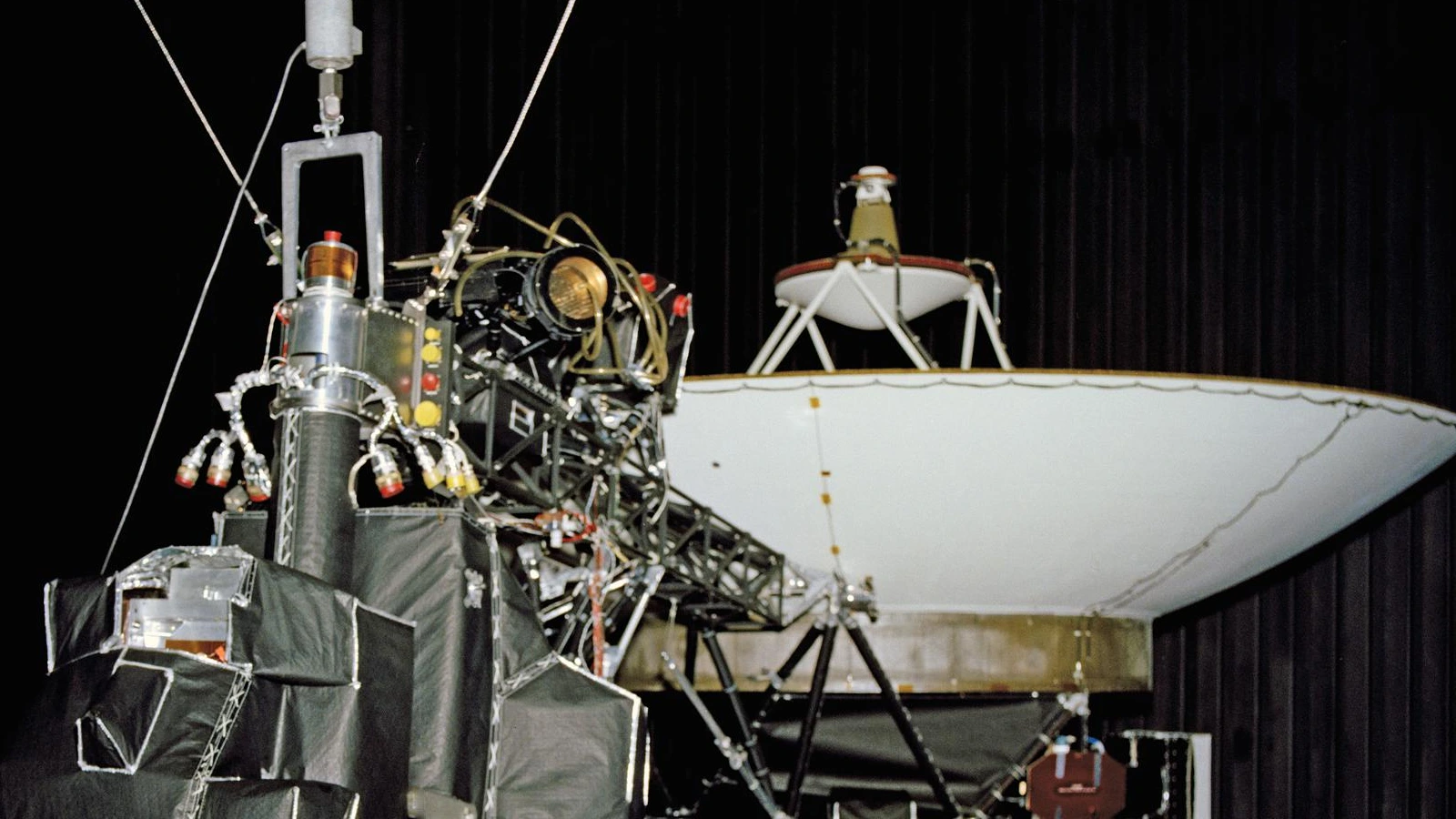
NASA’s October 29 account of Voyager 1 separates two achievements that should not be confused: a planned reduction in power use and an unexpected return of radio contact. Neither establishes that engineers have explained the communication interruption. For operators of distant robotic systems, that distinction matters: recovery is an observed outcome; diagnosis is a separate obligation.[1]
The Deep Space Network missed signals during scheduled contacts on October 18 and 19. Contact returned on October 20 before engineers sent troubleshooting commands. NASA says one thruster group had gone offline and backup thrusters had activated automatically. The cause was still being investigated when the agency published its update.[1]
That backup switch belongs to fault protection: programmed responses that move a spacecraft into a stable configuration and pause normal operations when its computers detect a problem. It is evidence of a bounded automatic safeguard, not evidence that a general artificial intelligence diagnosed the failure.[1]
The power change was deliberate. Engineers exchanged three powered devices for lower-power alternatives in September while preserving heat distribution. NASA’s August account of the earlier Voyager 2 operation explains why power savings cannot be considered separately from thermal survival. It projected at least another year for Voyager 2’s three instruments; that estimate must not be transferred to Voyager 1.[1,2]
The broader autonomy problem appears in ESA’s April 2024 account of a Juice navigation test. Engineers used a physical spacecraft replica and changing simulated camera views to test corrections without ground help. Communication delay at Jupiter makes waiting for instructions impractical. This is historical engineering context, not corroboration of the Voyager incident or a current Juice flight result.[3]
The practical lesson is to evaluate power management, automatic fallback and human diagnosis separately. A resumed signal demonstrates communications recovery, but it does not by itself identify the initiating fault or establish that every science function has resumed. The next useful evidence is NASA’s explanation of the interruption and the resulting operating configuration, rather than an assumption that recovery closed the investigation.[1,2,3]