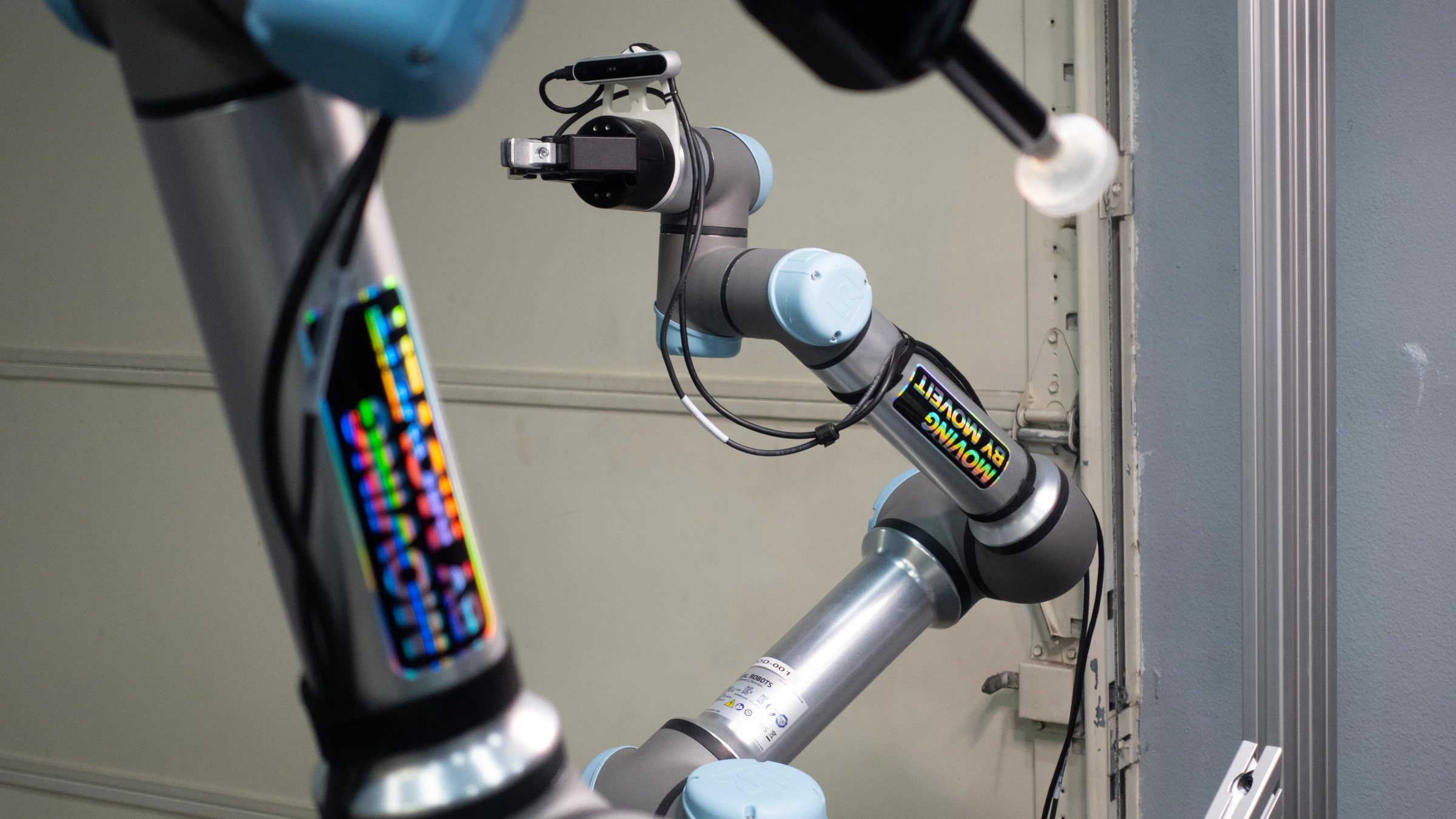
Qualcomm Technologies announced an agreement to acquire PickNik on September 23, bringing a steward of the MoveIt robotics software project closer to the company designing the chips on which robots run. The announcement describes a proposed transaction subject to closing conditions. It does not establish a completed purchase, and The Robot Report said the price was not disclosed.[1,2,5]
For robot builders, the important distinction sits below the acquisition headline. Keeping MoveIt open source and making commercial robotics software work better on Qualcomm hardware are separate commitments. Comparing the announcement with PickNik’s product documentation shows two different things to evaluate: access to the community software, and the features, support and integration offered through the commercial MoveIt Pro platform.[2,3,4]
PickNik founder and chief product officer Dave Coleman says MoveIt 1 and 2 will keep their existing license, remain hardware agnostic and retain community-driven roadmaps. Customers will continue receiving support, he says. Qualcomm’s announcement similarly commits to supporting third-party hardware while proposing closer integration with its Dragonwing robotics platforms and Arduino boards. These are statements of intent, not measured results from the combined business.[1,2]
There is an existing software artifact behind the openness promise. The MoveIt 2 repository’s top-level license is BSD 3-Clause. It permits source and binary redistribution, including modifications, subject to its stated conditions. That document establishes the permissions attached to the code in the repository. It does not specify a future engineering budget, support response time or schedule for optimizing a particular processor.[4]
PickNik’s own comparison page makes the commercial boundary unusually explicit. It describes MoveIt Pro as a broader platform with perception, task orchestration, debugging and deployment tools. It also says its Pro algorithms have been reimplemented rather than using the open-source implementations. The company lists integrated navigation, multi-arm control and training-data collection among Pro’s capabilities. Those remain vendor descriptions, rather than independent evaluations of their performance.[3]
That means a promise to preserve MoveIt’s license should not be read as a promise that every Pro capability will become open source. Nor does closer Dragonwing integration establish that the community project will stop working on other hardware. The reviewed statements support neither conclusion. A purchaser needs to identify which actual components a proposed system uses before comparing the offer with an existing MoveIt installation.[2,3,4]
Coleman’s explanation supplies the engineering rationale. He argues that increasingly capable AI models must operate on the robot within real-time and power constraints, making software and hardware design more tightly connected. He also describes the continuing difficulty of turning motion planning that works in simulation into reliable production control. His case for the deal is therefore about access to compute engineering as well as additional software investment.[1]
The potential benefit is concrete: a supported combination of compute, perception, planning and control could reduce the integration work left to a robot manufacturer. But the records reviewed do not provide a before-and-after deployment-time measurement, a customer cost comparison or a production reliability result for this proposed combination. A platform demonstration or an integration roadmap would answer a narrower question than sustained operation in a customer’s application.[1,2,3]
For teams evaluating the combined offer, a useful comparison would hold the robot, task and acceptance criteria constant. They could compare the community software and the supported commercial configuration on integration effort, failure recovery, performance and recurring support obligations. That measures the value of each complete configuration. To separate software benefits from processor benefits, the software comparison also needs identical compute hardware; a processor comparison needs the same software configuration where supported. Tests should state versions and human assistance, so faster planning is not mistaken for a faster complete workflow when perception, recovery or intervention still determines useful output.[2,3,4]
The next checkpoints are a confirmed transaction closing, concrete integration releases and published support commitments for both Qualcomm and third-party platforms. Named customer results could then test whether the tighter hardware relationship actually shortens deployment work. For now, the evidence shows an acquisition agreement and two parallel software strategies: preserve the community framework while expanding a commercial robotics stack around it.[1,2,3]