What changed
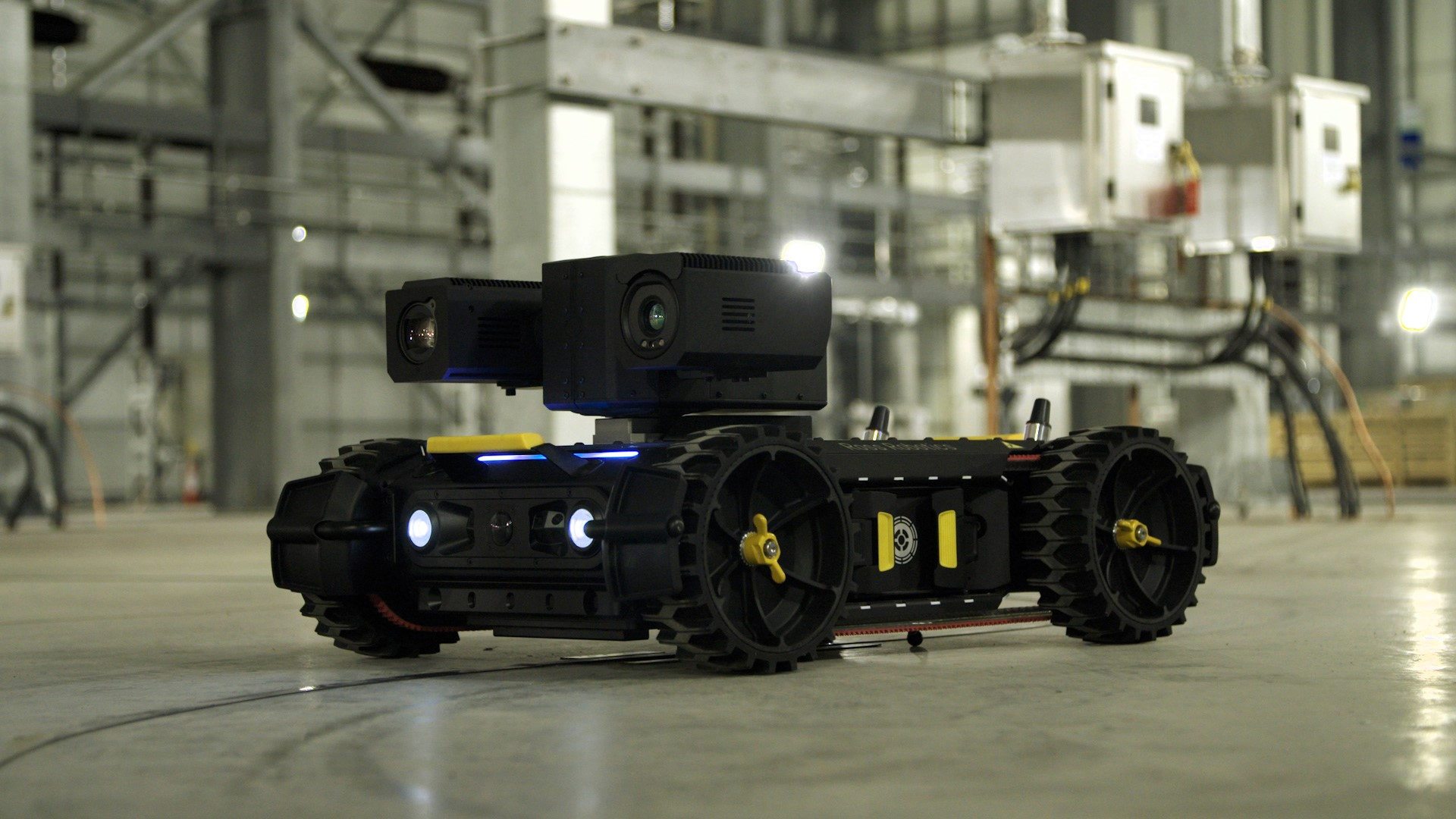
SSEN Transmission says it is rolling out seven new Ross Robotics inspection robots at the Blackhillock, Spittal and Kergord high-voltage direct-current converter stations and at Noss Head DC Switching Station in Wick. The move would take its fleet to eight, including Haggis, the original unit that has operated at Blackhillock for two years. A same-day Scottish Construction News report describes the rollout as a move toward routine monitoring of critical grid assets, not an exhibition demonstration.[1,2]
SSEN expects the fleet to complete more than 5,000 autonomous inspections and travel more than 1,700 kilometres over the next year. The operator says energized areas are inaccessible to personnel, so the robots will patrol daily and send asset-condition and network-performance data to operating teams.[1,2]
Why the operating boundary matters
The ENA’s ODIN project record says live HVDC halls generate strong electromagnetic fields and normally can be inspected only during scheduled outages. The rollout therefore tests whether mobile sensing can turn a periodic maintenance view into a continuous one. ODIN’s project record forecasts about 460,000 pounds in net benefit over ten years and 20.5 million pounds over the assets’ lifetime across seven robots; those are forecasts, not realized savings.[3]
What is still unproven
The record remains rollout-stage. SSEN says the seven new robots will be rolled out in coming months, and the public sources do not publish per-robot uptime, intervention rates, detection accuracy, maintenance cost or actual outage reduction. RoboActu notes the five-year Robotics-as-a-Service model, but that service structure is not evidence of payback.[2,4]
The next checkpoint
The next measurable checkpoint is operational: how many of the more than 5,000 inspections are completed across all four sites, what anomalies lead to a maintenance action, and whether engineers can document fewer site entries or unplanned outages. Until those numbers appear, the defensible conclusion is narrower than the rollout headline: one robot has a proven site history; seven more are being put into the network to earn theirs.[1,2,3,4]