Nine paid units, three operating environments
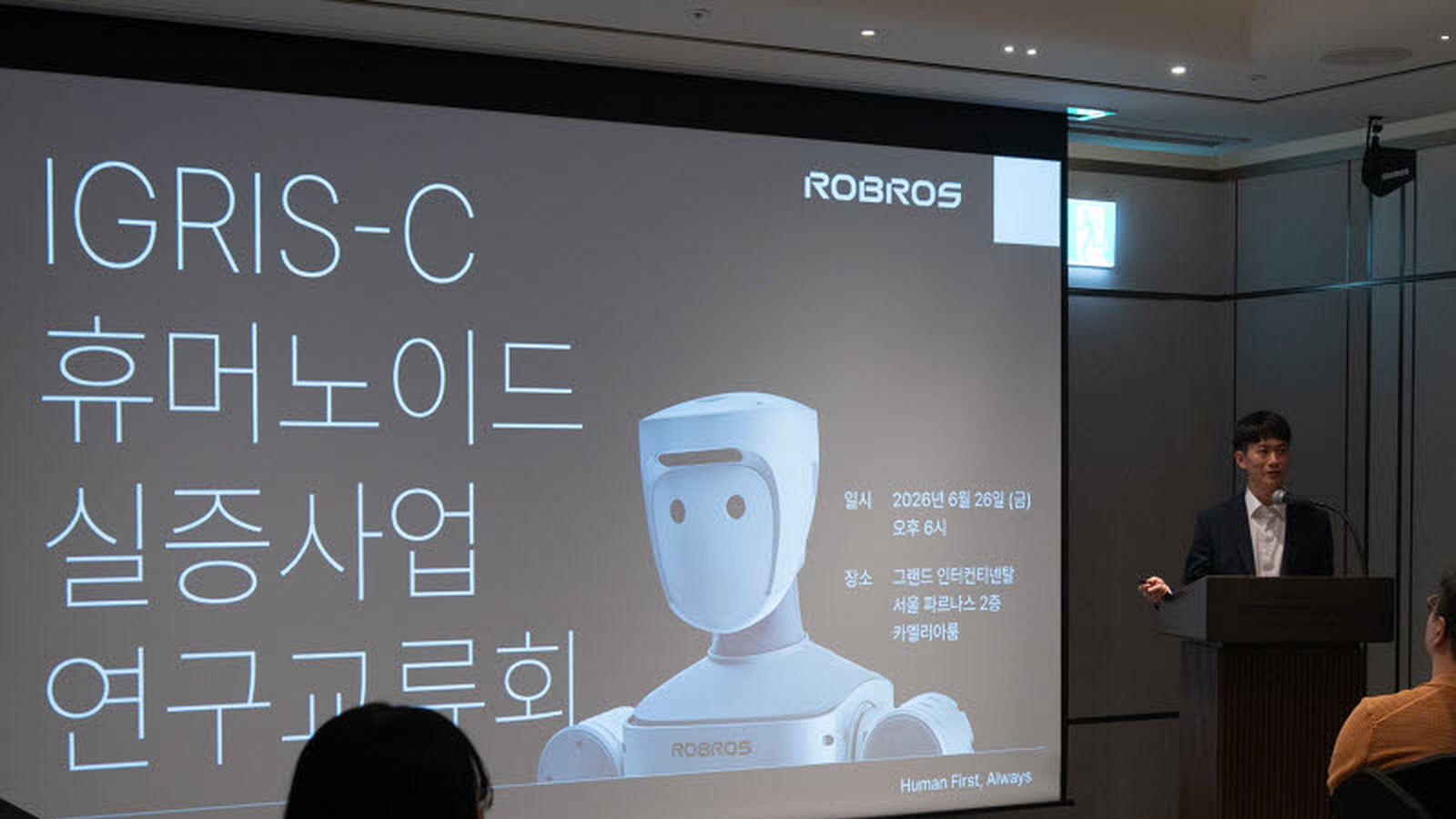
South Korean humanoid developer ROBROS will supply nine IGRIS-C robots to nine organizations across semiconductor cleanrooms, automotive manufacturing and refrigerated fresh-food logistics, VentureSquare reported on August 19. Three of the ten consortia selected for a 2026 humanoid demonstration program chose the platform, with three units assigned to each consortium. The publication said the supply is being completed through paid contracts. That distinction matters: this is a buying signal, not another exhibition-floor demonstration.[1,2]
ROBROS had disclosed the deployment structure in June, saying it had been selected as robot supplier for three of the program's ten projects and planned to provide nine units plus operating support and training. The Korea Institute for Robot Industry Advancement, or KIRIA, describes the broader initiative as a humanoid-robot demonstration support program running from June 1 through November 30. The new information is therefore not that the program exists. It is the reported commercial status of the supply and the claimed increase in ROBROS's installed base.[1,2,3]
The commercial signal has a boundary
VentureSquare reported that the nine new units lift cumulative IGRIS-C sales to 18 and total production to 36, with the other 18 robots used for research, demonstrations and customer testing. ROBROS also characterized that output as the highest among South Korean bipedal-humanoid developers based on public company information. Those figures are company-supplied and no opened contract, audited filing or industry census independently proves the comparative claim. The more defensible conclusion is narrower: ROBROS says half of its produced fleet has now been sold, including nine units tied to this program.[1]
Public support also changes how the orders should be read. A government-backed demonstration can lower adoption risk for first users and finance the difficult work of integration, training and on-site support. That is useful commercialization infrastructure, but it is not yet proof of repeat private demand at an unsubsidized price. None of the opened sources gives the contract value, the public contribution, the purchasing organizations, the tasks each robot must complete or the acceptance criteria that turn delivery into a successful deployment.[1,2,3]
Three industries create three different tests
The field mix is more important than the unit count. A semiconductor cleanroom tests contamination control and precise handling. An automotive plant tests safe coordination around people, fixtures and moving production. Refrigerated logistics tests batteries, actuators, perception and gripping under low temperatures and repetitive work. One hardware platform surviving all three would be a stronger result than nine deliveries to similar laboratories. Failure in one setting would also reveal where a general-purpose humanoid still needs task-specific engineering.[1,2,4]
What would turn orders into operating proof
The next meaningful evidence is operational: named tasks, hours worked, task success, human interventions, safety stops, uptime, maintenance time and whether users expand after the program ends. Contract value and repeat orders would show whether the economics survive outside a demonstration budget. Until those figures appear, the signal is real but early. ROBROS has reported paid humanoid supply across three demanding industries. It has not yet shown that those robots can become dependable production assets.[1,2,3]