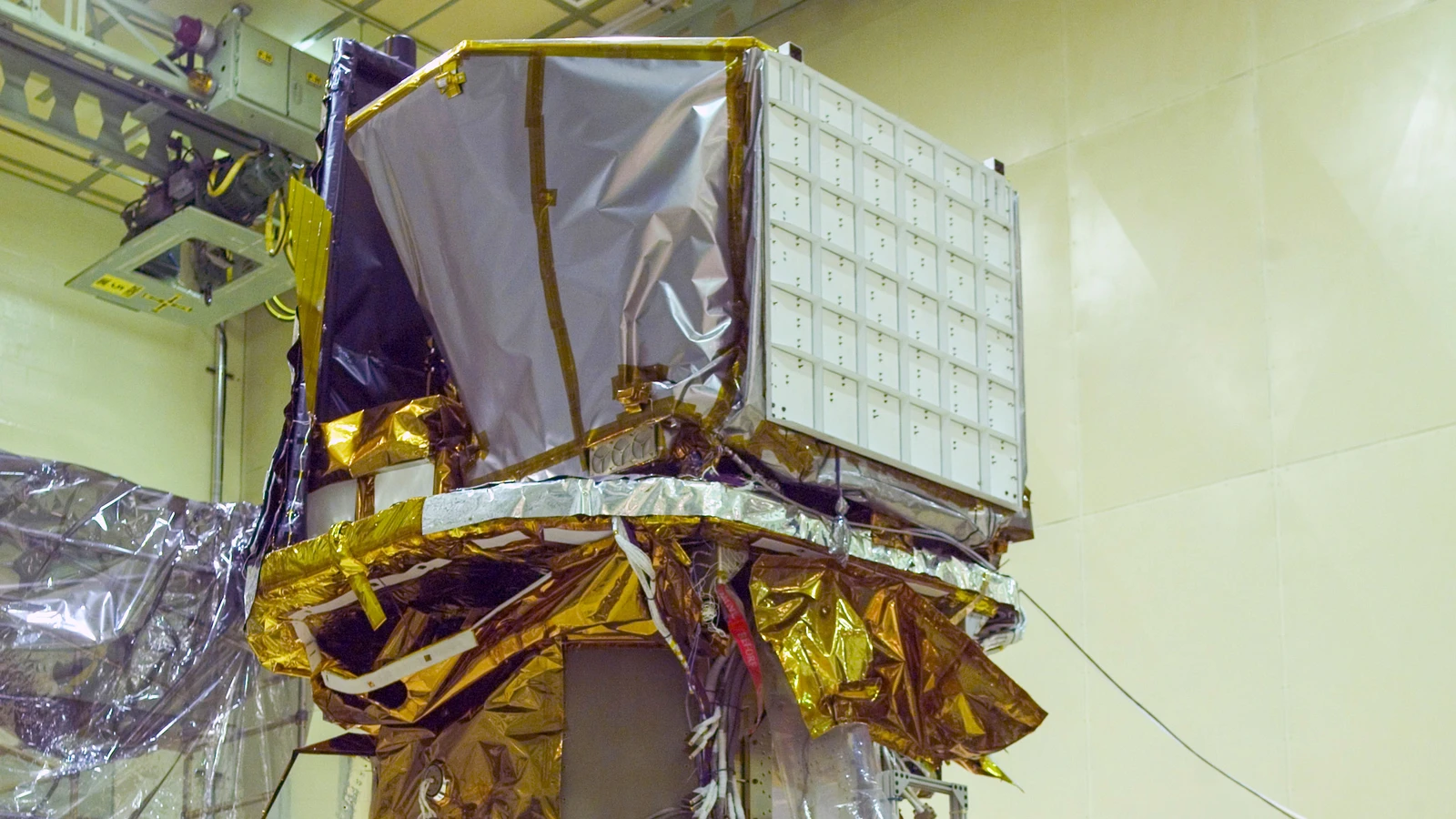
NASA expects its Neil Gehrels Swift Observatory to reenter Earth’s atmosphere on November 4, according to a November 2 update. That remains a prediction, not a completed reentry. For robotic servicing, it marks the approaching endpoint of a life-extension attempt that reached orbit but never captured its target.[1,2,3]
NASA’s September review states that the commercial boost mission ended without raising Swift’s orbit. The agency contracted Katalyst Space in September 2025 to build a spacecraft that could meet, grab and lift the telescope. Swift was not designed for servicing, making capture a different task from approaching a prepared docking port.[2,3]
Katalyst’s September 25 account describes the operating constraint. An electrical power-system fault made two reaction wheels unavailable, disrupting orientation control. Engineers restored limited control using thrusters and the remaining wheel, but that recovery accelerated propellant consumption. The company says it and NASA determined there was insufficient fuel to safely execute capture and orbit raising.[3]
The vendor reports that LINK approached within 12–15 kilometers of Swift, collected imagery and exercised its three robotic arms. It also reports 85 days of operations before LINK reentered on September 25. Those are attributed engineering results; neither proximity nor arm exercises establish a completed grapple or a longer life for the customer’s satellite.[2,3]
Swift’s own observing mission ended after its final observation on October 20. NASA says atmospheric drag at its reduced altitude prevented steady pointing. The November forecast therefore concerns disposal of the telescope, rather than another opportunity to commission the departed servicing vehicle.[1,4]
The operating lesson is that recovery capability and task completion need separate acceptance tests. A robot may regain control and gather useful data while spending the fuel reserve needed for its contracted work. Future servicing evaluations should track the margin remaining after recovery as well as rendezvous, capture and the delivered orbit change. This is an interpretation of this mission’s sequence, not a prediction that another design will fail.[2,3]